Category Archives: BEACH HAVEN, N.J.

New Jersey’s Save LBI Coalition Demands Full Disclosure of Structural and Safety Data for Atlantic Shores South Wind Turbines

BEACH HAVEN, N.J., Nov. 21, 2024 (SEND2PRESS NEWSWIRE) — Amid numerous recent instances of wind-turbine failures in the U.S. and around the world, the New Jersey citizen’s group Save LBI today called for an immediate and full public disclosure of all data related to the design, manufacture, maintenance, and failure rates for the components of the 200 wind turbines Atlantic Shores Offshore Wind plans to erect off the coast of southern Long Beach Island (LBI), Brigantine, and Atlantic City, New Jersey. It is also calling on the NJ Board of Public Utilities (NJ BPU) not to make any project-enabling new subsidy award unless and until that information is provided.
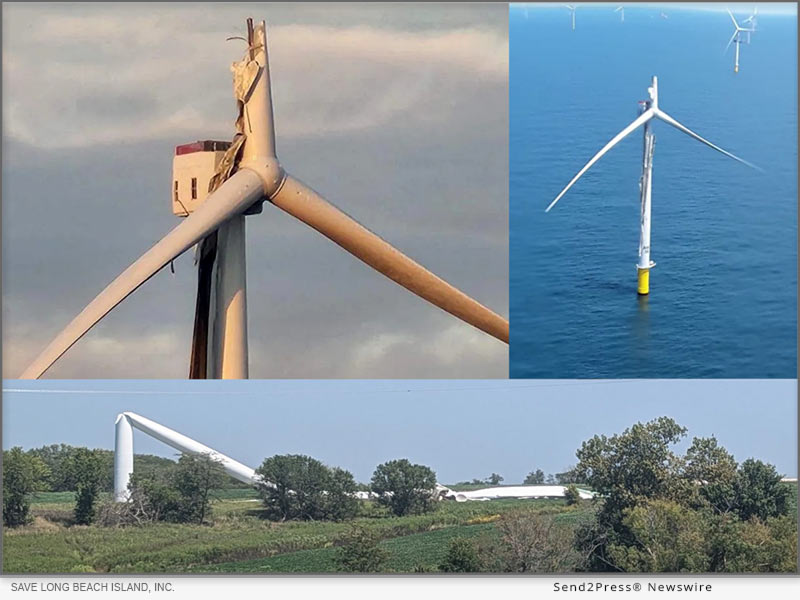
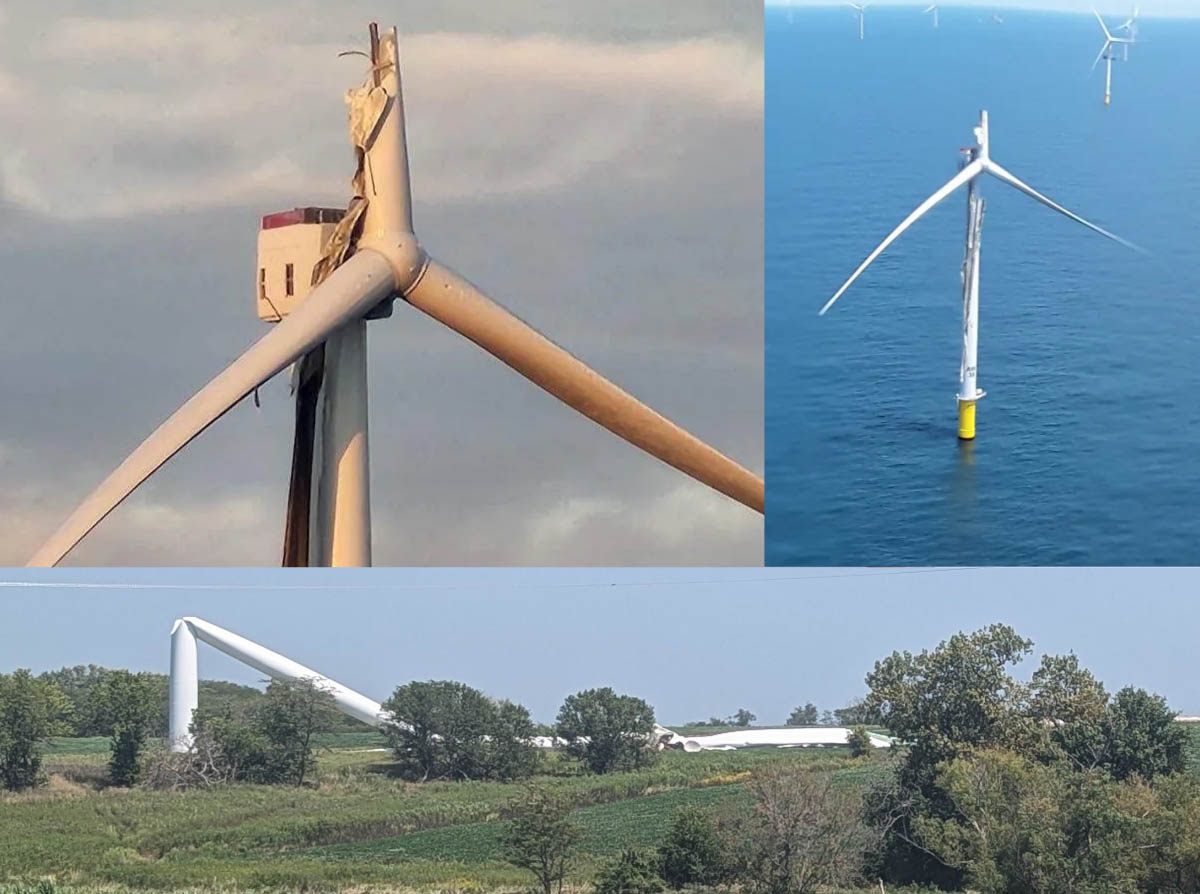
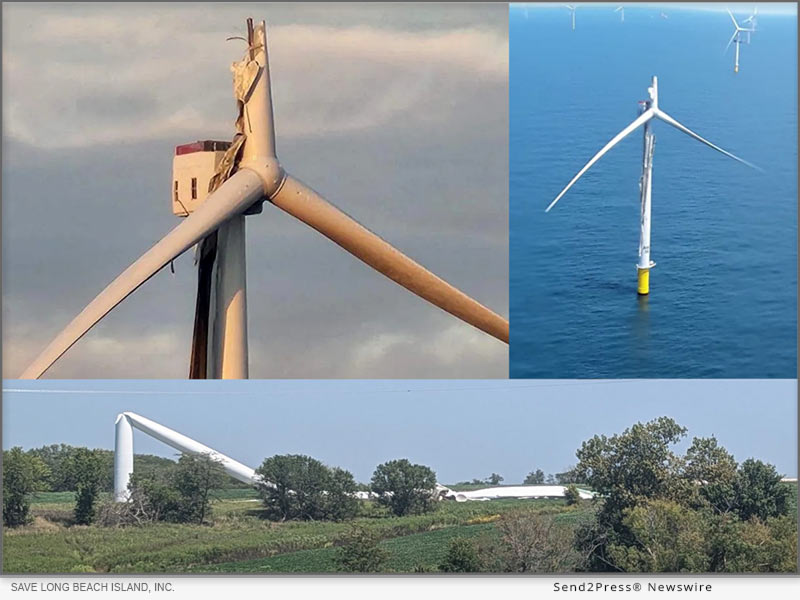
Vineyard Wind turbine-blade failure off Nantucket, MA in July (top); Vestas turbine collapse in August
Photo Caption: Vineyard Wind turbine-blade failure off Nantucket, MA in July (top); Vestas turbine collapse in August, one of three failures in six months at the Ameren wind farm in Schuyler County, MO.

The Vestas V236-15.0 MW turbine contracted for use by the Atlantic Shores South project is an unproven, first-of-its-kind design that stands 1,048 feet tall — three times the height of the Statue of Liberty — making it one of the tallest wind turbines in the world. It has three massive blades, each longer than a football field, which translates into 600 spinning behemoths in the Atlantic Shores South (OCS-A 0499) project area, the closest of which would be only 8.7 miles from shore, closer than anywhere else in the world.

Atlantic Shores should provide full, up-front disclosure on a number of issues, including:

  1. Technical details and Material Safety Data Sheets on all materials used in turbine manufacture.
  2. A discussion of the hazards associated with each material, including epoxies used for bonding.
  3. Failure rates and the potential consequences of turbine blade and other component failures impacting the marine environment, local food chain, and human life.
  4. Protocols for mitigating the environmental impact of turbine failures.
  5. Data on the structural integrity of the wind turbines (including the blades, towers, and other key components) as to their ability to withstand hurricanes, nor’easters, or other major storm events. (Project approvals have been granted even though a study by the National Offshore Wind Research and Development Consortium (NOWRDC) commissioned by the NJ Board of Public Utilities (BPU) has yet to be completed.)

In the wake of the blade failure at the Vineyard Wind project off the coast of Nantucket in July, Dr. Robert Stern, president of Save LBI, sent two letters to Atlantic Shores CEO Joris Veldhoven inviting Atlantic Shores to participate in a panel discussion at the LBI Foundation of the Arts & Sciences. Both were ignored, revealing a shocking level of arrogance and disrespect for a community that is justifiably concerned.

A Call for Transparency Amid the Rush to Build Ever-Larger Wind Turbines

Save LBI’s call for corporate and State Agency transparency follows a string of at least eight catastrophic offshore and onshore wind-turbine failures between April and November of 2024. The failures spanned three different turbine suppliers — Vestas, Siemens Gamesa, and GE Vernova — and involved not only collapsing blades but entire turbine structures toppling over [*notes 1-8]. Half of these failures involved Vestas turbines, causing great concern over the integrity of the colossal blades and supporting structures Atlantic Shores is planning to locate near New Jersey beaches [*note 9].

According to a 2023 report in Maintworld, a magazine for maintenance and asset management professionals, “turbine failures are on the uptick across the world…The instances are part of a rash of full collapses. A recent report says production issues may be to blame for the mysterious increase in failures [*note 10].”

In a May 2023 report entitled “Vertical Limit: When is bigger not better in offshore wind’s race to scale?” GCube Insurance, an underwriter for renewable energy projects, reviewed 10 years of claims data and found “offshore wind’s risk landscape has significantly shifted, as manufacturers push to develop bigger machines…Over the past five years, the race to scale turbine technologies has seen the leap from 8 megawatt (MW) to 18 MW turbines occurring in a fraction of the time it took to go from 3 MW to 8 MW. While this is a fantastic technological achievement, such rapid commercialization of ‘prototypical’ technologies is now leading to a concerning number of losses, and subsequently piling financial pressure on manufacturers, the supply chain, and the insurance market, according to GCube.” [*note 11]

Save LBI’s demand for accountability also comes amid revelations of a quality-control-data falsification scheme at a blade manufacturing facility in Canada [*note 12], and concern that such misrepresentations could be an industry-wide problem. “Our sources indicate that [falsifying data] is a widespread practice in the industry,” according to a Radio Gaspésie report [*note 13].

NJ: The De Facto Test-Bed for Super-Sized Wind Turbines

Atlantic Shores will be among the first to deploy the “super-sized” Vestas V236-15.0 MW wind turbine, which has never been tested in the harsh marine environment it will inhabit. Instead, testing was done on a land-based prototype turbine at the Østerild National test center in Denmark. New Jersey will, in effect, become a real-world Guinea pig for these newly designed gargantuan turbines.

In a series of videos on vestas.com, company executives boast how Vestas is “…leading the way into this new super-sized segment of wind turbines” and “…entering into some unprecedented territory on many of the manufacturing processes that we employ for building the blade [emphasis added]. We need to scale up renewables fast and the V236 15.0 megawatt is there to do just that. [*note 14].”

The structural integrity of the new “super-sized” blades is of particular concern to Save LBI and local communities because they are primarily made of a fiberglass composite similar to the material used in the GE Vernova Haliade-X blade [*note 15], which spontaneously collapsed while undergoing testing at the Vineyard Wind project. The blade failure sent countless shards of fiberglass and pieces of foam into the ocean, causing beach closures during the height of tourist season and putting marine life and the local food chain at risk.

“The Vineyard Wind disaster and the many others like it are wake-up calls that raise serious concerns about the structural integrity of wind turbines and the long-term impact of such failures on the environment — the effects of which are still being felt in Nantucket four months later [*note 16],” Dr. Stern said. “Even some proponents of offshore wind are now questioning whether the obvious risks are worth the purported benefits. Is this what those of us who live in the shadow of Atlantic Shores South have to look forward to?”

“It’s past time for NJ BPU staff and Atlantic Shores to directly engage and disclose the full impact of this ominous offshore wind project to the local communities that will be directly affected by it before any further work or decision-making proceeds,” he concluded.

About Save LBI

Save Long Beach Island (Save LBI) is an organization of citizens and businesses on and off the Island working together to protect the ocean and Long Beach Island and neighboring communities from the destructive impact of the Atlantic Shores project and potentially other offshore wind projects. As a not-for-profit, non-partisan entity, we do not endorse any political candidates but vigorously pursue policies and actions that protect the Island and New Jersey communities. The organization is led by Beach Haven resident Bob Stern, a Ph.D. engineer with experience in environmental law who previously managed the U.S. Department of Energy’s office overseeing environment protection related to energy programs and projects. Visit SaveLBI.org for more information and to make a donation.

Contact: https://www.savelbi.org/contact.

For more information click here: https://www.savelbi.org/.

References

Note: If a link doesn’t work, copy and paste the URL into a browser.

  1. Halkirk 2 wind facility shut down after [Vestas] turbine breaks, Nov. 9, 2024, https://calgary.ctvnews.ca/halkirk-2-wind-facility-shut-down-after-turbine-breaks-1.7104801
  2. Blade broken off Siemens Gamesa turbine at Swedish wind farm, Nov. 7, 2024, https://energywatch.com/EnergyNews/Renewables/article17617839.ece
  3. [Vestas] Wind turbine collapses in Schuler County [Missouri], third incident in six months, Oct. 31, 2024, https://khqa.com/news/local/wind-turbine-collapses-in-schuyler-county-third-incident-in-six-months

    https://www.rechargenews.com/wind/third-vestas-turbine-collapse-forces-us-wind-farm-offline/2-1-1733379

  4. [Vestas] Wind Turbine collapses in Schuyler County, Missouri, Aug. 27, 2024, https://www.youtube.com/watch?v=tQHl5hTV5a0
  5. Second GE Vern ova turbine blade reportedly fails at UK’s Dogger Bank wind farm, Aug. 23, 2024, https://www.offshore-mag.com/renewable-energy/article/55135538/second-ge-vernova-turbine-blade-reportedly-fails-at-uks-dogger-bank-wind-farm
  6. Vineyard Wind incident was not first time a GE Vernova wind turbine came apart, Reuters, July 18, 2024 https://www.reuters.com/business/energy/vineyard-wind-incident-was-not-first-time-ge-vernova-wind-turbine-came-apart-2024-07-18/
  7. Dogger Bank Makes Statement on Site Incident [GE Vernova blade], May 10, 2024, https://nawindpower.com/dogger-bank-makes-statement-on-site-incident
  8. All northeastern [Vestas] wind turbines taken offline after 1 collapses in Schuyler County [on April 26], May 3, 2024, https://www.youtube.com/watch?v=6sUCoZJ1Asc
  9. Energy analyst Philip Totaro on Vestas failures at the Ameren wind farm in Missouri, Nov. 2024, LinkedIn post: “The High Prairie hashtag#windenergy project in Schuyler County, Missouri suffers the third wind turbine collapse in six months. The project, owned by Ameren, has 163 units of Vestas V120 2.2-MW on 92 meter towers and 12 units of Vestas V112 3.45-MW on 94 meter towers. The causes of the previous collapses have not been publicly released.”

    https://www.linkedin.com/posts/philiptotaro_another-turbine-collapses-in-schuyler-county-activity-7257949289107120128-br3K?utm_source=share&utm_medium=member_desktop

  10. Why do wind turbines break down more often? Jan. 31, 2023, https://www.maintworld.com/Asset-Management/Why-do-wind-turbines-break-down-more-often
  11. Ever-Growing Offshore Wind Turbines Bring Unsustainable Market Risks – GCube, May 4, 2023, https://www.offshorewind.biz/2023/05/04/ever-growing-offshore-wind-turbines-bring-unsustainable-market-risks-gcube/

    https://gcube-insurance.com/Insights/Reports/Vertical-Limit

  12. Canada station reports “falsification scheme” at turbine plant, Nov. 12, https://www.mvtimes.com/2024/11/12/canada-station-reports-falsification-scheme-turbine-plant/
  13. Possible falsification of data at LM Wind Power, Oct. 24, 2024, https://www.radiogaspesie.ca/nouvelles/actualite/falsification-possible-de-donnees-chez-lm-wind-power/
  14. Official documentation for the Vestas V236-15.0 MW wind turbine to be used in Atlantic Shores South project, com/en/energy-solutions/offshore-wind-turbines/V236-15MW
  15. Official documentation for the GE Vernova Haliade-X offshore wind turbine used in the Massachusetts Vineyard Wind project, com/wind-power/offshore-wind/haliade-x-offshore-turbine
  16. GE Vernova and Vineyard Wind Provide Update on Incident and Response Action Plan, Oct. 23, 2024, com/press-releases/2024/10/23/ge-vernova-and-vineyard-wind-provide-update-on-incident-and-response-action-plan

MULTIMEDIA:

Photo link for media: https://www.Send2Press.com/300dpi/24-1121-s2p-savelbipic-300dpi.jpg

Photo Caption: Vineyard Wind turbine-blade failure off Nantucket, MA in July (top); Vestas turbine collapse in August, one of three failures in six months at the Ameren wind farm in Schuyler County, MO.

NEWS SOURCE: Save Long Beach Island (Save LBI)


This press release was issued on behalf of the news source (Save Long Beach Island (Save LBI)), who is solely responsible for its accuracy, by Send2Press Newswire. Image, if any, was provided by the news source and not this website or the wire service. Information is believed accurate, as provided by the news source, but is not guaranteed.

To view the original story, visit: https://www.send2press.com/wire/new-jerseys-save-lbi-coalition-demands-full-disclosure-of-structural-and-safety-data-for-atlantic-shores-south-wind-turbines/

Copr. © 2024 Send2Press® Newswire, Calif., USA. -- REF: S2P STORY ID: S2P122427 NOREL-3B
 

NJ Coalition Demands Full Accounting of All Costs Associated with Controversial Atlantic Shores South Offshore Wind Project

Save LBI Urges NJ Board of Public Utilities to Include Costs Omitted in Prior Review of the Multibillion Project

BEACH HAVEN, N.J., Nov. 12, 2024 (SEND2PRESS NEWSWIRE) — Save Long Beach Island (Save LBI), a New Jersey citizens group working to protect the ocean and local shore communities from the destructive impact of offshore wind projects, has called on the New Jersey Board of Public Utilities (BPU) to conduct a comprehensive cost-benefit analysis of the federally-approved Atlantic Shores Offshore Wind South project that includes costs omitted in previous economic analyses of the controversial plan to place two-hundred wind turbines off the coast of southern Long Beach Island, Brigantine, and Atlantic City.

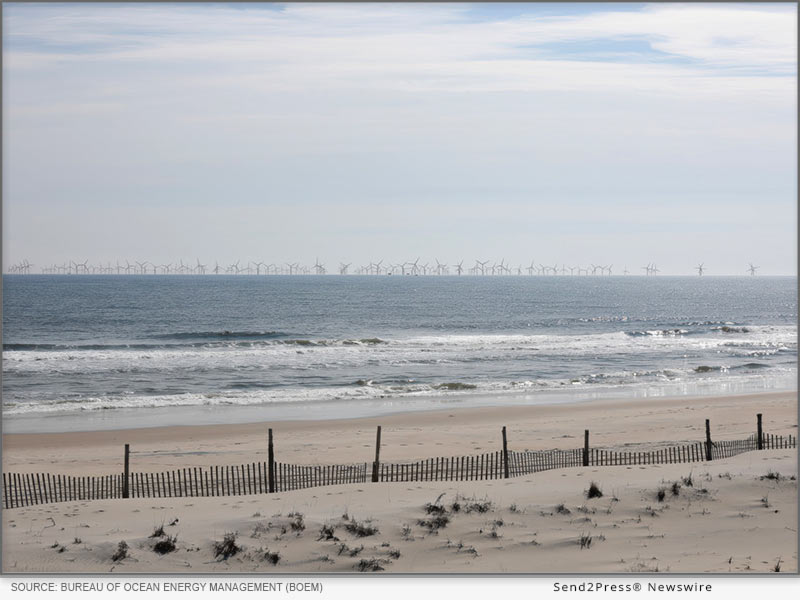
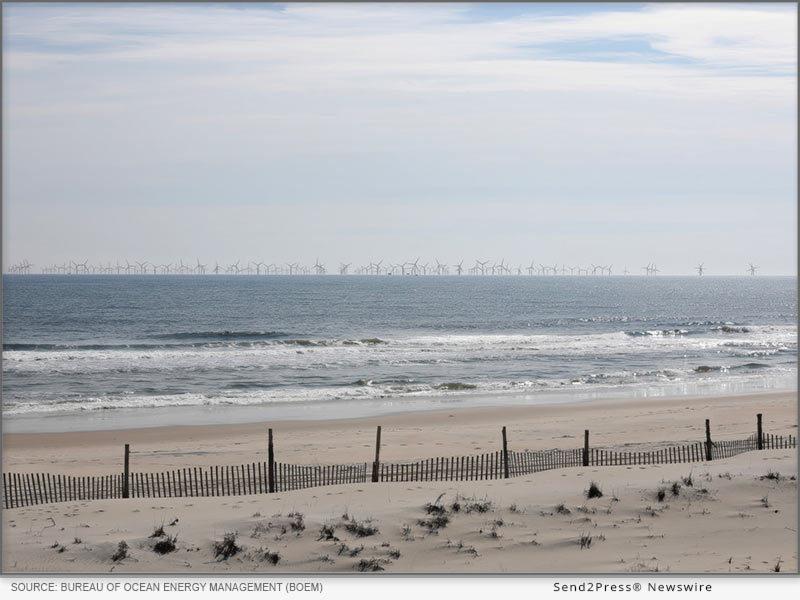
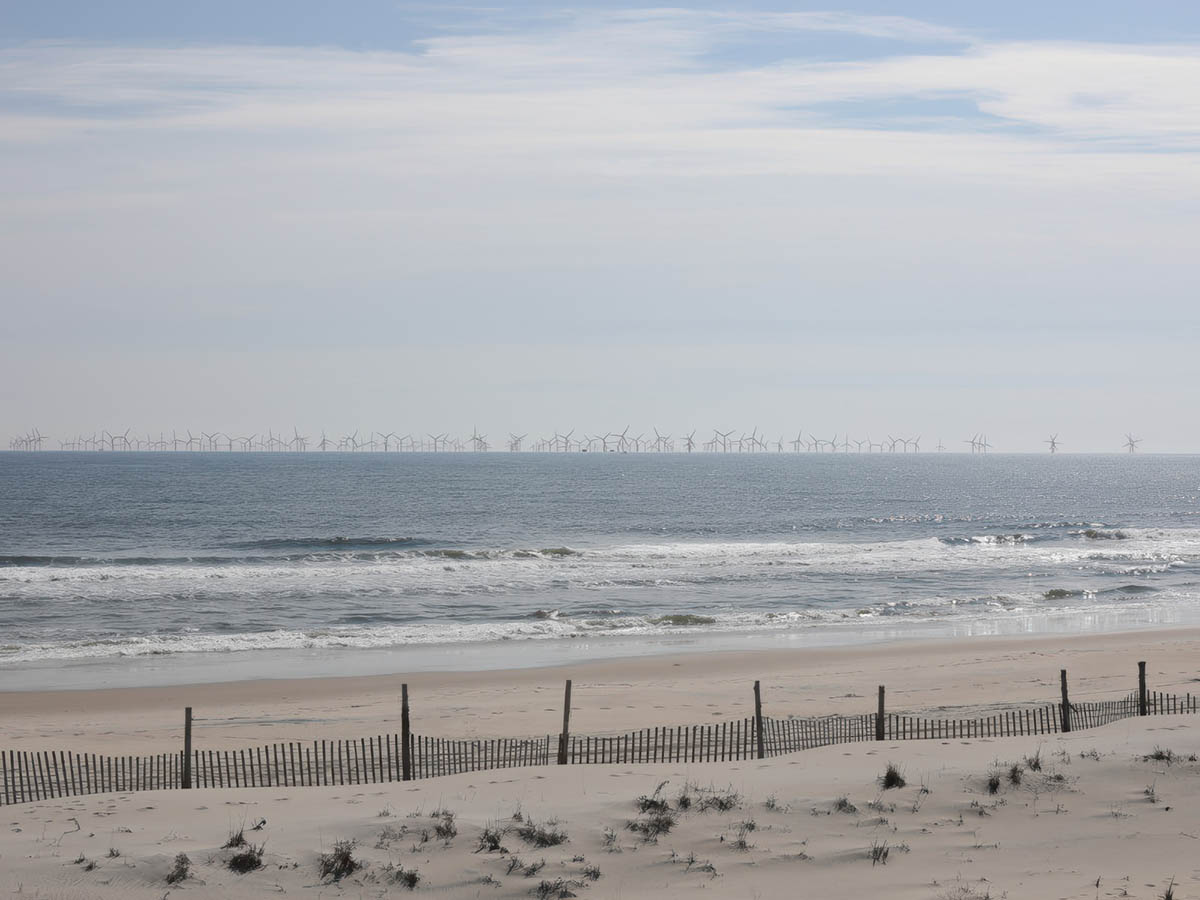
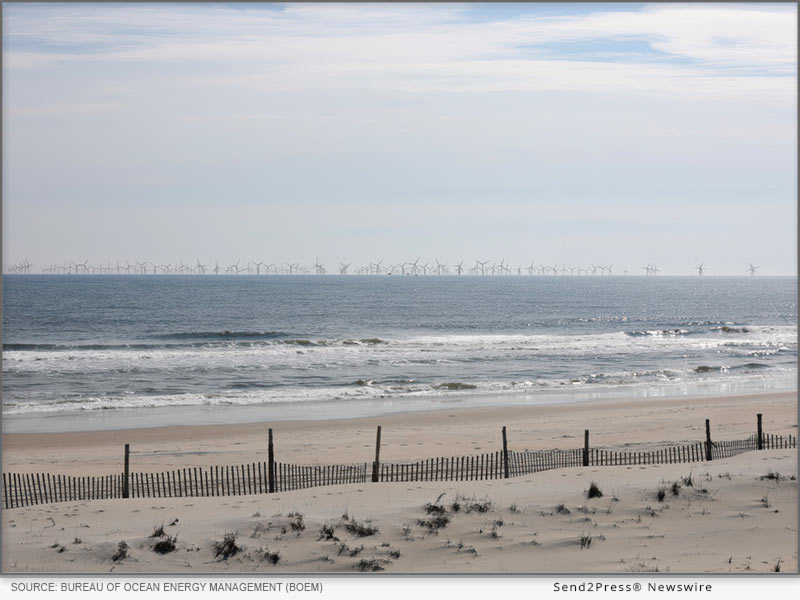
Visual simulation of Atlantic Shores South project as it would appear from Holgate, NJ. Source: Bureau of Ocean Energy Management (BOEM)
Photo caption: Visual simulation of Atlantic Shores South project from Holgate, New Jersey. Source: Bureau of Ocean Energy Management (BOEM).

If the additional anticipated subsidies are approved, the project would cost New Jerseyans an estimated $110 billion over its lifespan, almost twice the amount of the entire State budget for 2025 of $55.9 billion, according to Save LBI. This staggering amount includes $73 billion in generic costs that occur for all such projects and an additional $37 billion in costs associated with siting 1,048-foot-tall wind turbines radically close to the coast. (See generic and site-specific cost breakdowns below.)

The State’s Offshore Wind and Economic Development Act requires a cost-benefit analysis showing a net benefit to the State before electric rate subsidies can be awarded to an offshore wind project. In a letter dated October 30, Save LBI asked the NJ BPU to include costs that were not factored into the previous financial calculus for the Atlantic Shores South project, including the sizeable cost associated with siting the turbines closer to shore than anywhere else in the world.

“The BPU is looking at spending an enormous amount of public money on a single project,” said Bob Stern, president and co-founder of Save LBI. “It’s no wonder potential recipients of that largess show up in droves at wind-energy-sponsored events such as the Offshore Windpower Conference & Exhibition held recently in Atlantic City.”

Save LBI has provided a breakdown of the $110 billion project cost to the BPU and awaits the Board’s award decision and cost-benefit analysis to see: (1) the full costs of the Atlantic Shores South project, (2) what possible benefit would outweigh this huge cost in order to satisfy the State’s “net benefit” test, and (3) how the extra $37 billion could be justified compared to other projects. The NJ BPU is expected to make a final determination in December.

Save LBI has also called on NJ State legislators to review and hold hearings on these costs to determine whether or not the Atlantic Shores South project is a wise use of the State’s limited resources.

GENERIC COSTS OF ATLANTIC SHORES SOUTH

1. Substantially higher electricity rates across the State’s residential, commercial, and industrial sectors. The BPU is considering a more highly subsidized price for the Atlantic Shores project that would increase average bills by around 12% (11% residential, 13% commercial, and 15% industrial). Based on 2024 numbers, the cost of this increase over the lifetime of the project would be $20 billion [*note 1]. It’s worth noting that the NJ BPU has underestimated prior electric bill increases by about 40% [*note 2].

2. State investment in the Paulsboro, Salem County, and Sea Girt facilities. In addition to direct subsidies of individual offshore wind projects, the State is investing substantial NJ taxpayer money to provide infrastructure support for the Atlantic Shores South project and other offshore wind projects. To date it has committed at least $250 million for the Paulsboro marine terminal [*note 3], $637.6 million (with another $462 million planned) for the Salem county windport,[*Note 4] and another $1.2 billion for the Sea Girt/Larrabee transmission system/upgrade (with an additional $7.1 billion expected to follow) [*note 2]. Combined, we’re looking at another $9.7 billion. And this does not take into account a new, even more costly offshore transmission system, now on the drawing boards, that would divert power from wind projects off the coast of NJ to New York. All of these additional State costs should be proportionally allocated to each project that will use them when evaluating costs verses benefits, with an assumed $3 billion allocated to this project.

3. Loss in business revenue and jobs due to electric rate increases. A 2011 study [*note 5] found that a 2 percent increase in Statewide electric rates results in an annual loss of 2,219 jobs, with an average decrease in wages of $111 per year, which adds up to a Statewide loss of $330 million in annual disposable income. A 12 percent rate increase from the Atlantic Shores project would result in a present (2024) value cost increase of $40 billion [*note 1]. Costs such as these have been omitted from previous BPU cost-benefit analyses, but are major and should be included.

4. State cost of removal and onshore processing of wind turbines at the end of their useful life. These costs are likely to fall to the State because there are no federal or State requirements for the company to remove the turbines. What’s more, Atlantic Shores or government agencies have never disclosed a feasibility study or cost analysis for the removal and onshore processing of the turbines — a massive undertaking that could approach the cost of installation, on the order of $10 billion. The BPU cost benefit analysis should clearly state whether turbine removal and processing is included in the project decommissioning plan, what cost was allocated toward that, and what provision was made to provide for financial assurance for funding that cost. It should be noted that any failure to address this issue, resulting in the turbines left in place after their useful life, would incur additional long-term costs such as those discussed below in items 6, 7 and 8.

5. Energy back-up costs and the “wake effect.” The introduction of intermittent wind-powered energy to the regional electric supply system requires more back-up sources, potentially within New Jersey. In addition, the BPU has not considered the “wake effect”: how wind is diminished in a row of turbines that is downwind from another row, which will significantly reduce the power output of the Atlantic Shores project due to the close spacing between turbines. A recent study [*note 9] of a wind complex close to the Atlantic Shore South area indicates that the internal wake effect within the complex itself is significant in terms of reductions in wind speed. The nature and cost of the necessary energy back-up should be included to attain an accurate cost-benefit analysis.

ADDITIONAL COSTS ASSOCIATED WITH SITING WIND TURBINES CLOSE TO SHORE

6. Loss in tourism. A 2024 study [*note 6] estimated the Atlantic Shores project would cause a $668 million loss in annual tourism revenue and the loss of 6,700 tourism-related jobs per year in Ocean County, NJ, attributable to the project off Long Beach Island. The present (2024) value of that lost tourism revenue would add up to $12 billion over the first 20 years of turbine operations. Another 2024 study [*note 7] estimates an additional annual $1.6 billion loss in tourism revenue in neighboring Atlantic County, with related job losses of 10,700 per year and a total cost to Atlantic County of $21 billion over the lifetime of the project. The total expected loss in tourism revenue over the life of the Atlantic Shores project for both areas is $33 billion. Such costs have not been addressed in prior BPU cost-benefit analyses, but are major and should be included.

7. Decline in property values. Government agencies and wind developers like to cite a Block Island (Rhode Island) study to conclude that offshore wind development will have no impact on property values. But this is highly misleading because Block Island only has only five small wind turbines located off rocky coasts and cliffs, much farther and less visible from popular beaches. Five turbines is a long way from 200, each three times the height of the Statue of Liberty and less than 9 miles from shore at their closest point.

A study commissioned by the NJ BPU [*note 8] that examined how the visibility of offshore wind turbines would impact property values found that oceanfront and ocean-view properties would lose significant value. It assumed that an oceanfront or ocean-view property would drop to the value of the row behind it with turbines visible. Applying that principle to the 1,100 oceanfront properties on LBI predicts a reduction in property value of 38 percent for each home, for a total loss in property value of $1.6 billion; homes one house away from the beach would each experience a 25 percent reduction in value for an additional loss of $0.6 billion. A similar analysis conducted for Brigantine Beach [*note 7] shows losses of up to $0.8 billion for the first two rows of houses nearest the ocean.

This results in a total loss of $3 billion just for the first two rows closest to the ocean in these two towns, and would likely have a cascading effect on other property values. Anticipated losses in property value and tax revenue for all affected structures were missing from prior BPU cost benefit analyses and should be included in the cost-benefit analysis of the Atlantic Shores South project.

8. State costs for beach cleanups of debris from wind-turbine component failures. These costs are uncertain because offshore wind companies and government agencies have not released an analysis of the frequency and consequences of turbine component failures. But, as we know from the Vineyard Wind turbine failure off the coast of Nantucket in July, the cost of removing fiberglass and other debris from beaches is substantial, as is the comparable cost of cleaning up beaches in the aftermath of vessel wrecks, which have run into tens to hundreds of millions of dollars. Depending on failure frequency, the cost of such cleanups over the project’s lifetime could approach $1 billion, or even more if failures occur during tourist season. Costs covering the eventuality of turbine failures have not been factored into prior BPU cost benefit analyses but should be accounted for in the cost-benefit analysis of the pending Atlantic Shores South project.

About Save LBI:

Save Long Beach Island (Save LBI) is an organization of citizens and businesses on and off Long Beach Island (LBI), New Jersey working together to protect the ocean and the Island and neighboring communities from the destructive impact of Atlantic Shores offshore wind projects, and potentially others in the future. As a not-for-profit, non-partisan entity, we do not endorse any political candidates but vigorously pursue policies and actions that protect the Island and surrounding communities. The coalition is led by Beach Haven resident Dr. Bob Stern, a Ph.D. engineer with experience in environmental law who previously managed the U.S. Department of Energy’s office overseeing environment protection related to energy programs and projects. Visit SaveLBI.org for more information and to make a donation.

Contact: https://www.savelbi.org/contact.

For more information click here: https://www.savelbi.org

REFERENCES:

  1. Economic Analysis of the Atlantic Shores South Offshore Wind Projects, Edward, P. O’Donnell, White Strand Consulting LLC, August 2024
  2. Economic Analysis of the Attentive and Leading Light Offshore Wind Projects, Edward P. O’Donnell, White Strand Consulting LLC, August 2024, Table 6-1
  3. NJ Governor’s Office press release, 12/21/2020, gov/governor/news/news/562020/approved/20201222a.shtml
  4. NJ Economic Development Authority NJ Wind Port Prospectus, njwindport.njeda.gov
  5. The Cost and Economic Impact of New Jersey’s Offshore Wind Initiative, Beacon Hill Institute at Suffolk University, June 2011
  6. Potential Economic Losses of Reduced Tourism Attributable to Proposed Wind Turbines in Long Beach Island, NJ, Tourism Economics, March 2024
  7. Report to Atlantic County Commissioners on Offshore Wind Developments, the Industrialization of Our Ocean and Impact to Our Local Economy, April, 2024, Defend Brigantine Beach
  8. An Assessment of the Potential Costs and Benefits of Offshore Wind Turbines, Global Insight, 2008
  9. Estimating Long-Range External Wake Losses in Energy Yield and Operational Performance Assessments Using the WRF Wind Farm Parameterization, Arc Vera Renewables, 2022

MULTIMEDIA:

PHOTO link for media: https://www.Send2Press.com/300dpi/24-1008-s2p-savelbi-300dpi.jpg

Photo caption: Visual simulation of Atlantic Shores South project from Holgate, New Jersey. Source: Bureau of Ocean Energy Management (BOEM).

NEWS SOURCE: Save Long Beach Island (Save LBI)


This press release was issued on behalf of the news source (Save Long Beach Island (Save LBI)), who is solely responsible for its accuracy, by Send2Press Newswire. Image, if any, was provided by the news source and not this website or the wire service. Information is believed accurate, as provided by the news source, but is not guaranteed.

To view the original story, visit: https://www.send2press.com/wire/nj-coalition-demands-full-accounting-of-all-costs-associated-with-controversial-atlantic-shores-south-offshore-wind-project/

Copr. © 2024 Send2Press® Newswire, Calif., USA. -- REF: S2P STORY ID: S2P122222 NOREL-3B


NJ Coalition Slams Feds for Ignoring Key Environmental Impacts of Offshore Wind Development

Save LBI Calls Out Bureau of Ocean Energy Management for Flouting the National Environmental Policy Act and Misleading the Public

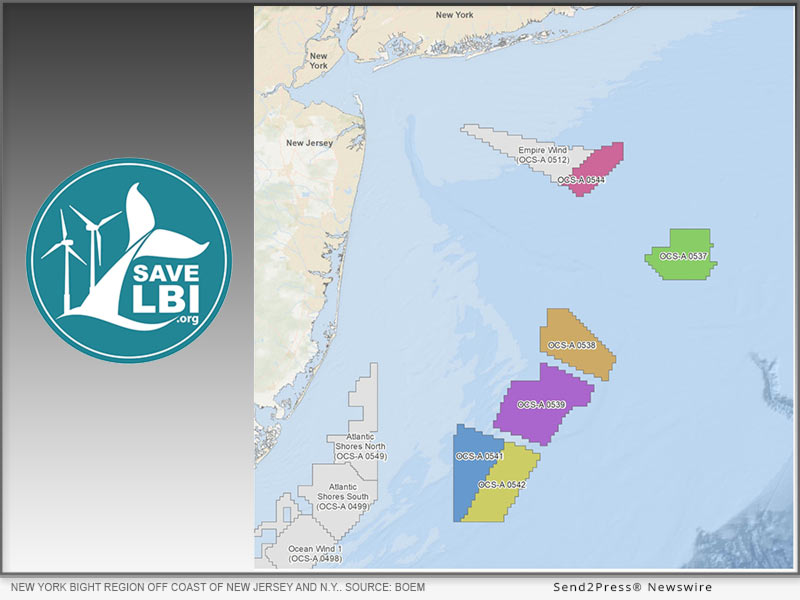
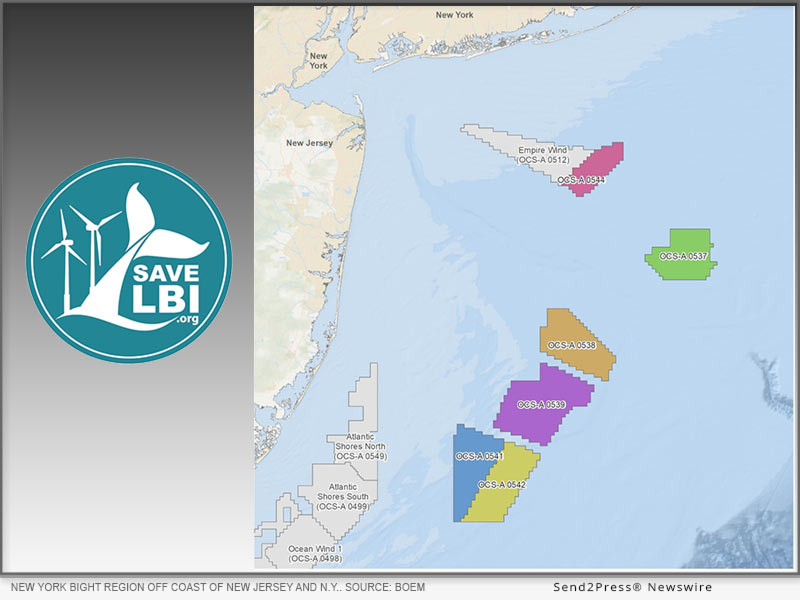
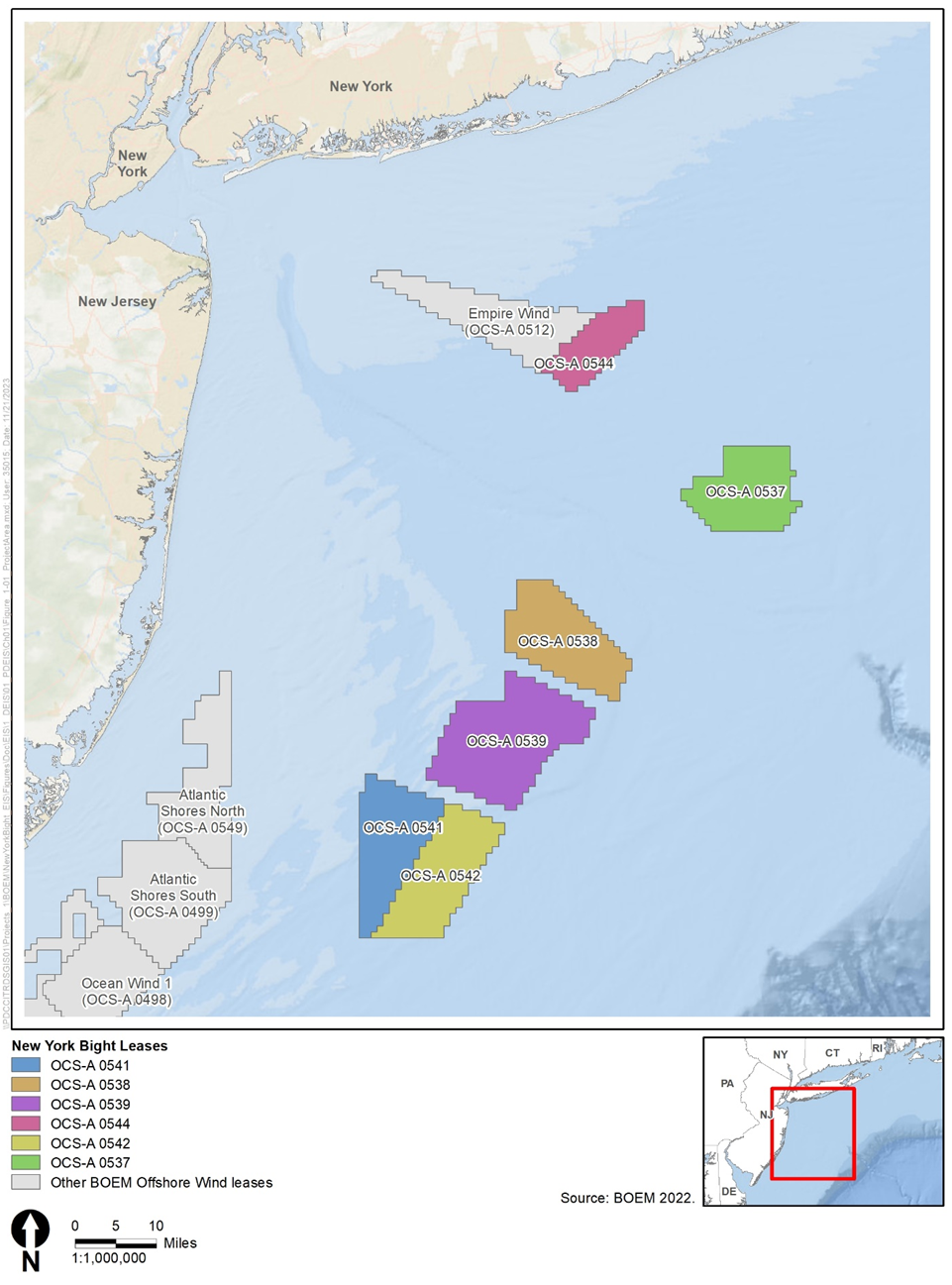
BEACH HAVEN, N.J., Oct. 25, 2024 (SEND2PRESS NEWSWIRE) — The New Jersey citizens group Save Long Beach Island (Save LBI) today rebuked the federal Bureau of Ocean Energy Management (BOEM) for issuing a final Environmental Impact Statement (EIS) that blatantly ignores critical environmental impacts for offshore wind development in six lease areas off the coast of New Jersey and New York in a region known as the New York Bight. The area lies to the north of the controversial Atlantic Shores South project (OCS-A 0499) off the southern coast of New Jersey, which received federal approval in July.

Map showing the six offshore-wind lease areas in the New York Bight region off the coast of New Jersey and New York. Source: BOEM.
Image caption: Map showing the six offshore-wind lease areas in the New York Bight region off the coast of New Jersey and New York. Source: BOEM.

BOEM’s Final Programmatic Environmental Impact Statement (Final PEIS) flouts the intent of the National Environmental Policy Act (NEPA) and masquerades as a “comprehensive” environmental review as it fails to address the most significant environmental decisions: the location of a wind project and the number and size of the wind turbines to be placed in the project area — decisions BOEM quietly covets for itself and the developer to make, according to Save LBI, the grassroots organization dedicated to protecting the New Jersey shore environment.

The 600-plus-page EIS, which is intended to justify BOEM’s selection of lease areas in the New York Bight region, remarkably only addresses technical mitigating measures, such as spotting whales at long distances, which unfortunately is largely ineffective and not environmentally significant.

“BOEM will now proceed to prepare EIS’s for projects within the New York Bight area without offering any real, environmentally different alternatives — only a choice to approve or disapprove the proposed developer’s project,” said Bob Stern, president and co-founder of Save LBI. “The real travesty here is that the outcome is already largely pre-determined since BOEM provides no criteria in those documents that would lead to disapproval of a project.”

In so doing, BOEM sidesteps the intent of the National Environmental Policy Act (NEPA), enacted by Congress in 1970 to compel government agencies to seriously consider environmental impact when they make their most important and environmentally impactful decisions and to look at alternative means of accomplishing their goals through the process of preparing an EIS and allowing for public input.

Even more egregious, at no point in the flawed BOEM NEPA review process is the public allowed to inject its views and concerns regarding the most crucial environmental decisions of location and project size. “The BOEM process not only flouts NEPA’s intent but misleads and insults the public by following the ineffective and inefficient past process of pursuing only a single developer proposal, regardless of the potential environmental impact, and rendering the public’s input meaningless. It is situations like this that led to the passage of NEPA in the first place.”

Save LBI will be challenging the BOEM NEPA review process in court. The legality of that process will be determined by a judge, but from the standpoint of making sound decisions informed by the public, this is not a process to embrace.

About Save LBI:

Save Long Beach Island (Save LBI) is an organization of citizens and businesses on and off Long Beach Island (LBI), New Jersey working together to protect the ocean and the Island and neighboring communities from the destructive impacts of offshore wind projects. As a not-for-profit, non-partisan entity, we do not endorse any political candidates but vigorously pursue policies and actions that protect the Island and surrounding communities. The coalition is led by Beach Haven resident Dr. Bob Stern, a Ph.D. engineer with experience in environmental law who previously managed the U.S. Department of Energy’s office overseeing environment protection related to energy programs and projects.

Visit SaveLBI.org for more information and to make a donation. Click here: https://www.savelbi.org/

IMAGE LINK:

New York Bight

Click here: https://www.boem.gov/sites/default/files/images/lease_areas_image.png

Photo Caption: Map showing the six offshore-wind lease areas in the New York Bight region off the coast of New Jersey and New York. Source: BOEM.

NEWS SOURCE: Save Long Beach Island (Save LBI)


This press release was issued on behalf of the news source (Save Long Beach Island (Save LBI)), who is solely responsible for its accuracy, by Send2Press Newswire. Image, if any, was provided by the news source and not this website or the wire service. Information is believed accurate, as provided by the news source, but is not guaranteed.

To view the original story, visit: https://www.send2press.com/wire/nj-coalition-slams-feds-for-ignoring-key-environmental-impacts-of-offshore-wind-development/

Copr. © 2024 Send2Press® Newswire, Calif., USA. -- REF: S2P STORY ID: S2P121738 NOREL-3B


NJ Coalition Fights Destructive Impact of Atlantic Shores Offshore Wind South Project

Save LBI Notifies Federal Agencies of Intent to Sue Over Breach of Endangered Species Act and Outer Continental Shelf Lands Act

BEACH HAVEN, N.J., Oct. 8, 2024 (SEND2PRESS NEWSWIRE) — Save Long Beach Island (Save LBI), a New Jersey citizens group working to protect the ocean and local shore communities from the destructive impact of the Atlantic Shores Offshore Wind South project, has notified federal agencies of its intent to sue Atlantic Shores under the Endangered Species Act and Outer Continental Shelf Act (OCSLA).

Visual simulation of Atlantic Shores South project as it would appear from Holgate, NJ. Source: Bureau of Ocean Energy Management (BOEM)
Image caption: Visual simulation of Atlantic Shores South project as it would appear from Holgate, New Jersey. Source: Bureau of Ocean Energy Management (BOEM).

The notices give the Bureau of Ocean Energy Management (BOEM) and National Oceanic and Atmospheric Administration (NOAA) 60 days to resolve issues raised in the filings before the coalition pursues litigation. BOEM oversees offshore wind development in the United States and NOAA manages the use of our marine resources.

Save LBI contends that constructing and operating hundreds of wind turbines directly in a prime migration path of the critically endangered North Atlantic right whale could push these mammals into extinction. The population of the right whale is down to approximately 338, with fewer than 70 reproductively active females, according to NOAA estimates.

“Underwater noise from the massive, diesel-powered hammers that will be used to ‘pile drive’ 50-foot-wide turbine foundations into the seabed as well as from vessel surveys and the operation of those turbines will obstruct the essential migration of the right whale as it attempts to pass through those waters, jeopardizing the whale’s existence while violating the Endangered Species Act,” said Bob Stern, president and co-founder of Save LBI.

Save LBI further maintains that BOEM and NOAA have, without sound justification, dismissed the significant problem of operational noise from the larger and noisier turbines Atlantic Shores plans to build off the coast of New Jersey. “The agencies routinely cite lower noise levels from smaller turbines to avoid addressing the problem of higher noise levels from larger turbines,” Stern said.

With respect to the Endangered Species Act, the agencies have also failed to consider, let alone study, the impact all wind-turbine projects along the East Coast would have on the right whale’s migration.

“And this is just one of many problems that will be created by the Atlantic Shores South wind project, which, shockingly, has already received federal approval,” Stern added.

Safeguarding the Natural Environment, Fishing, and National Security Under OCSLA

Save LBI asserts that BOEM and NOAA did not adequately account for how the Atlantic Shores offshore wind farm will interfere with other uses of the ocean — particularly vessel navigation, fishing, including the New Jersey surf clam industry, and national defense — as required by OCSLA, which gives the federal government the authority to lease areas of the ocean.

Save LBI further contends that the federal agencies acted in an arbitrary manner when they approved the placement of hundreds of wind turbines weighing hundreds of thousands of tons in the ocean with no plan or capability, technically or monetarily, to remove them at the end of their useful life or upon their failure during normal operation or in the aftermath of a hurricane or extreme storm event.

BOEM and NOAA have also failed to account for structural failures, such as the Vineyard Wind turbine blade that spontaneously collapsed off the coast of Nantucket Island in July, the damage from such failures to the ocean and beaches, how that damage will be remediated, and who will pay for it.

Atlantic Shores Offshore Wind Project Overview

The Atlantic Shores South project and planned Atlantic Shores North project, would industrialize the New Jersey coastline between Atlantic City and Barnegat Light with the installation of the 357 wind turbines, each three times the height of the Statue of Liberty. The greater New Jersey/New York offshore wind plan embraced by the federal government could ultimately include more than 2,000 wind turbines.

This project area, selected many years ago with no public consideration of wind turbine impact, would place the largest turbines available less than 9 miles off a beautiful 18-mile barrier island beach, closer than any other wind project in the world and in a primary migration path of a critically endangered whale. The project would:

  • Jeopardize that whale’s existence due to the project’s high levels of underwater noise.
  • Destroy the shore experience with highly visible turbines and disturbing blade rotation, airborne noise, reduced breeze, and higher air temperature and humidity.
  • Degrade the nearby Brigantine National Wilderness Area from construction air pollutants.
  • Have a severe economic impact on tourism, jobs, rentals, property value, and tax revenues.
  • Dramatically increase electric bills to every user in New Jersey, placing an additional financial burden on households and businesses.
  • Require new infrastructure and substantial long-term funding for turbine removal.
  • Remove key fishing grounds.
  • Impair defense air radars in Gibbsboro, NJ.
  • Have only a “negligible” effect on climate change, according to the official impact statement. Because climate change is caused by global heat transfer that is already underway, this project would only delay future sea level rise for a matter of days, not stop or even reduce it.

“It should be obvious to any objective decision-maker that siting a huge offshore wind project that brings this extraordinary degree of short and long-term environmental and social damage, with no clear project purpose to justify that, is a big mistake,” Stern concluded. “Decision-makers should acknowledge the significant new information that has come forward since this area was selected, recognize the strength of the legal challenges ahead, and change course to save everyone on both sides of this issue a lot of time, work, and money.”

Save LBI Legal Challenges at a Glance

Save LBI is pursuing a series of legal actions against the Atlantic Shores South project. One case regarding wind companies vessel surveys and recent whale deaths is already in court, and the organization recently filed suit against Atlantic Shores Offshore Wind, declaring the project will violate local noise ordinances and nuisance criteria. Save LBI will be fighting in court to:

  • Protect marine mammals, including critically endangered whales, under the Endangered Species Act and the Marine Mammal Protection Act.
  • Dispute the project’s Environmental Impact Statement (EIS) and the entire governmental review process under the National Environmental Policy Act; that review process has not allowed for the consideration of meaningful alternatives, which should be the “heart of any EIS.
  • Prevent excessive electric bill increases under the New Jersey’s Offshore Wind Energy Development Act by challenging the flawed cost-benefit analysis on which the NJ Board of Public Utilities pending award is based.
  • Safeguard vessel navigation, fishing, and national defense uses of the ocean under the Outer Continental Shelf Lands Act.
  • Protect the NJ Coastal Zone under the Coastal Zone Management Act.
  • Protect the Brigantine National Wilderness Area from air quality degradation.

About Save LBI:

Save Long Beach Island (Save LBI) is an organization of citizens and businesses on and off Long Beach Island (LBI), New Jersey working together to protect the ocean and the Island and neighboring communities from the destructive impact of Atlantic Shores offshore wind projects, and potentially others in the future. As a not-for-profit, non-partisan entity, we do not endorse any political candidates but vigorously pursue policies and actions that protect the Island and surrounding communities. The coalition is led by Beach Haven resident Dr. Bob Stern, a Ph.D. engineer with experience in environmental law who previously managed the U.S. Department of Energy’s office overseeing environment protection related to energy programs and projects. Visit SaveLBI.org for more information and to make a donation.

For more information click here: https://www.savelbi.org/.

LINKS:

Save LBI Coalition Calls for Moratorium on BPU Awards for Offshore

Click here (PDF): https://www.savelbi.org/_files/ugd/a85a2b_2f621b9f4a9746ab9255d2cd1a33139e.pdf

Save LBI Files Lawsuit Declaring Airborne Noise from the Atlantic Shores South Offshore Wind Project Violates New Jersey Land Use Law, Local Ordinances, and Creates a Private Nuisance

Click here (PDF): https://www.savelbi.org/_files/ugd/a85a2b_08ce714c2a6044a58b97a02abe309e18.pdf

MULTIMEDIA:

Image link for media: https://www.Send2Press.com/300dpi/24-1008-s2p-savelbi-300dpi.jpg

Image caption: Visual simulation of Atlantic Shores South project as it would appear from Holgate, New Jersey. Source: Bureau of Ocean Energy Management (BOEM)

NEWS SOURCE: Save Long Beach Island (Save LBI)


This press release was issued on behalf of the news source (Save Long Beach Island (Save LBI)), who is solely responsible for its accuracy, by Send2Press Newswire. Image, if any, was provided by the news source and not this website or the wire service. Information is believed accurate, as provided by the news source, but is not guaranteed.

To view the original story, visit: https://www.send2press.com/wire/nj-coalition-fights-destructive-impact-of-atlantic-shores-offshore-wind-south-project/

Copr. © 2024 Send2Press® Newswire, Calif., USA. -- REF: S2P STORY ID: S2P121340 NOREL-3B